

Spring and Autumn: The Steady Pace of Ercolano
The air in Ercolano in late April carries a gentle warmth, the kind that encourages lingering over a coffee at a bar on Via IV Novembre. The sun, still moderate, illuminates the paving stones that have witnessed centuries of footsteps. This is a time when the town operates at a predictable cadence, a rhythm dictated by the return of both the season and a steady flow of visitors who have learned to appreciate its quieter virtues.
Daily Life and Archeological Sites
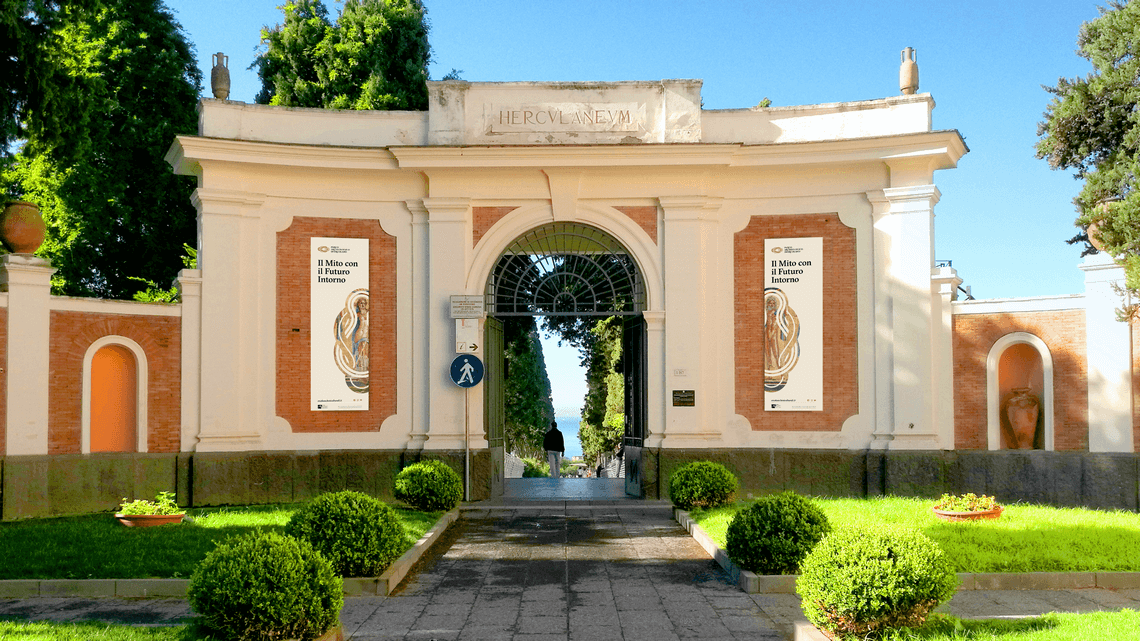
The Archaeological Park of Herculaneum, a well-preserved Roman town, is the anchor of Ercolano. In spring, the site opens at 9:00 AM, and the morning hours offer a more intimate experience before the arrival of larger tour groups. The pathways are clear, and the light, angled from the east, casts long shadows across the mosaics and frescoes, revealing details that might be lost in the harsher midday sun. By early afternoon, the park can feel more crowded, particularly if cruise ship excursions are scheduled for nearby Naples.
Outside the park, the town itself is in motion. Local residents are engaged in their routines: shopkeepers are opening shutters, the bakery on Corso Umberto I is filling with the scent of fresh bread, and families are heading towards local schools. The presence of these everyday activities provides a counterpoint to the static nature of the ruins. It’s a living town superimposed on an excavated one, and in spring and autumn, this juxtaposition is less jarring than at other times of the year.
The restaurants along the waterfront, particularly those near the Museo Archeologico Virtuale, begin to fill for lunch. These establishments cater to both local families and the early influx of tourists. The menus reflect the season: grilled vegetables, fresh seafood, and pasta dishes are common. The service is typically efficient, geared towards maximizing the short lunch break of many visitors who are on day trips.
Navigating the Heat of Summer
Summer, specifically July and August, brings a significant shift. The heat becomes oppressive, making extended exploration of the open-air archaeological site challenging. The volcanic stone absorbs and radiates heat, and shade is limited. Many local businesses also observe a period of reduced activity, with some closing for the Ferragosto holidays in mid-August. While the park remains open, visitor numbers can fluctuate. During peak tourist season for the broader region, the site might see a surge in visitors, often arriving by bus from Naples, leading to queues and a less serene atmosphere. The evenings offer respite from the heat, and this is when the waterfront areas become more active, with people dining outdoors.
The Appeal of Shoulder Seasons
It is during the shoulder seasons – March to May and September to October – that Ercolano’s unique character is most accessible. The climate is conducive to walking through the archaeological site for several hours without discomfort. The pathways are less likely to be congested, allowing for a more contemplative engagement with the preserved buildings. The mosaics in the House of the Black Peristyle or the intricate wooden beams in the House of the Wooden Decks are best appreciated when one can stand and observe without feeling rushed.
Local life continues its steady rhythm. The weekly market, held on a Tuesday morning in the Piazza dell’Olmo, is a vibrant hub of activity, offering produce, clothing, and household goods. This is an opportunity to observe the interactions between vendors and residents, a glimpse into the everyday economy of the town. The bars and cafes are frequented by locals, providing an informal social gathering space. The prices for food and drink tend to be more aligned with local spending habits during these months.
The Influence of Nearby Naples
Ercolano’s proximity to Naples is a constant factor. On days when there are large cruise ship arrivals in Naples, the number of visitors to Ercolano can increase significantly, particularly in the afternoon. This influx can affect the atmosphere in the archaeological park and the availability of seating at local trattorias. The infrastructure, such as bus services and train connections, are geared to manage these fluctuations, but it is something to be aware of for those seeking a more solitary experience.
Conversely, when Naples experiences its own significant events or closures, Ercolano can feel even more subdued. The town’s pace is intrinsically linked to the larger metropolitan area, yet it retains its own distinct, more measured pulse, especially outside of the peak summer months. Understanding these connections helps in timing a visit to align with the desired pace of exploration.
Winter and the Quietude
The winter months, from November through February, present a different aspect of Ercolano. The weather can be cool and damp, with occasional rain. The archaeological park remains open, but the visitor numbers are significantly reduced. This is a period of deep quietude, where the sounds of the wind rustling through the remnants of ancient courtyards are more prominent than human voices. Many of the more tourist-oriented businesses may operate with reduced hours or close entirely, returning to a more strictly local focus. For those who are interested in the stark beauty of ancient ruins without the presence of many others, winter offers a profound solitude, though the experience is entirely weather-dependent.