

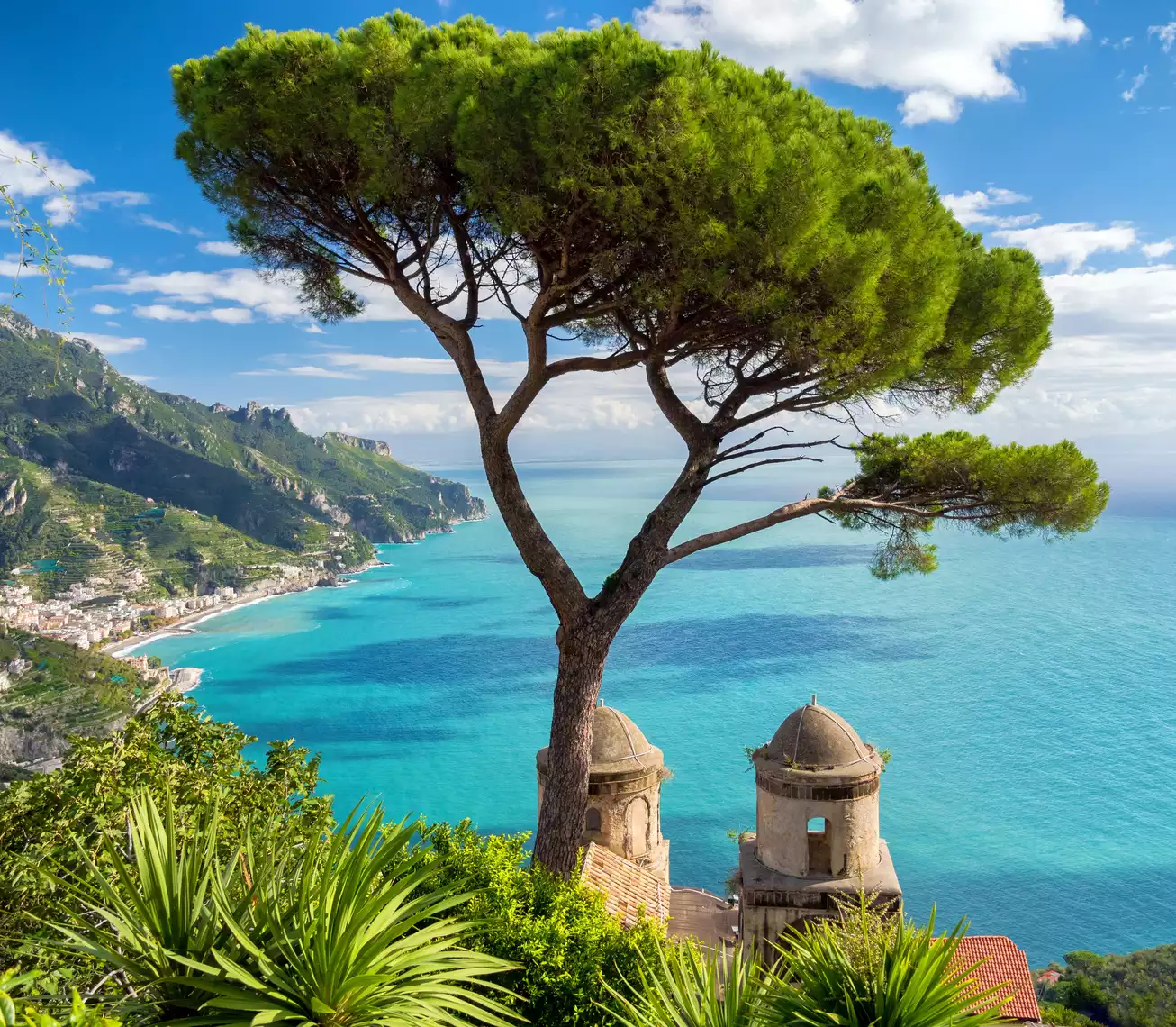
Ravello occupies a singular position on the Amalfi Coast: not coastal, but commanding a high ridge overlooking the Tyrrhenian Sea and the Dragon Valley. To understand Ravello is to master its verticality and the mechanics of its elevated placement. This is an exploration not just of beauty, but of strategic positioning and a singular physical reality.
**The Ascent: Gaining Altitude**
Your engagement with Ravello begins with the climb. This isn’t a coastal stroll; it’s a deliberate act of elevation.
1. **From the Coast (Amalfi/Minori):** The most common approach involves the public SITA bus from Amalfi. Observe the precision with which the driver navigates the hairpin turns, the bus gripping the tarmac as it steadily gains altitude. The journey itself is an education in engineering against gravity. Alternatively, for the true explorer, a rigorous ascent on foot from Minori or Maiori via ancient staircases offers a profound physical interaction with the terrain. These paths are challenging, demanding sturdy footwear and an appreciation for sustained effort, but they deliver Ravello as a earned reward, emerging gradually from the terraced landscape.
2. **By Private Vehicle:** Should you choose to drive, understand that Ravello’s core is largely pedestrian. Paid parking facilities are situated at the town’s periphery (e.g., Piazza Duomo parking garage). From these points, the final few hundred meters into the central piazza involve a direct, uphill walk through tunnels or along access roads. Anticipate this transitional phase; it is part of the town’s structural logic.
**Orienting Within the Urban Fabric**
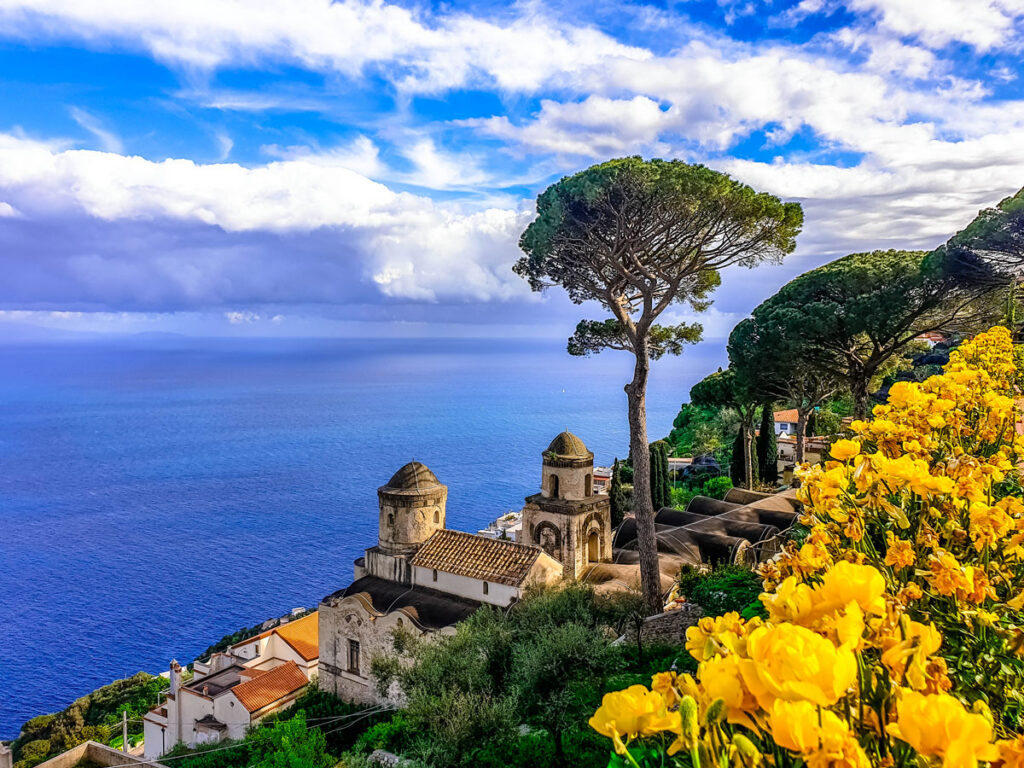
Once within Ravello, the central Piazza Duomo serves as your primary navigational nexus. This open space, flanked by the Duomo and the entrance to Villa Rufolo, is where key pathways converge and diverge.
* **The Street Logic:** Ravello’s internal pathways are not grid-based. They are organic, often narrow, stone-paved alleys (vicoli) and stepped ascents or descents, following the natural contours of the ridge. To navigate effectively, observe the flow of pedestrian traffic and the subtle incline or decline of the ground. Main arteries typically lead to prominent viewpoints or villas, while narrower capillaries delve into residential sectors or offer unexpected glimpses through arched passageways.
* **Physical Interaction:** Your feet will tell the story of Ravello’s terrain. The ancient cobblestones, the worn steps, the smooth paving. Pay attention to the sound of your footsteps, the way light filters down into constricted alleys, and the sudden expansion of space as you emerge onto a terrace. This constant shift in perspective and ground texture is integral to the Ravello experience.
**Points of Observation and Strategic Movement**
Ravello’s defining features are its villas and their associated vantage points.
1. **Villa Rufolo:** Directly adjacent to Piazza Duomo, access to Villa Rufolo involves traversing its various garden levels. Begin at the entrance and allow the architecture to guide your movement through its structured terraces. Each level offers a distinct spatial relationship to the valley below and the sea beyond. The tower provides an elevated, contained perspective, offering a panoramic sweep that underscores Ravello’s strategic command over its surroundings.
2. **Villa Cimbrone:** To reach Villa Cimbrone, commit to a deliberate walk along Via Santa Chiara. This approximately fifteen-minute westward trajectory from the central piazza is a journey in itself, transitioning from the busier town center to a more secluded, tree-lined path. The approach builds anticipation. Upon arrival, move through the formal gardens to the famed Terrace of Infinity. Here, the physical reality is one of sheer drop-off, a dramatic edge where the horizon line becomes exceptionally stark. Observe how the elements—sea, sky, and distant landforms—converge with minimal obstruction.
3. **Beyond the Main Veins:** To truly comprehend Ravello, venture beyond the primary tourist routes. Seek out the smaller vicoli leading away from the piazza. Follow signs pointing to local churches, or simply explore paths that appear to lead nowhere in particular. These detours often reveal quieter courtyards, residential gardens, and unheralded views, offering a deeper understanding of the town’s lived geography.
**Tactical Considerations for the Explorer**
* **Timing is Paramount:**
* **Early Morning (pre-9 AM):** For a less obstructed physical interaction with the town’s core and a cooler climate for any significant ascents. The light at this hour provides a distinct clarity for observing distant topography.
* **Late Afternoon (post-4 PM):** The descending sun casts long shadows, enhancing the textural detail of Ravello’s stone architecture and painting the distant sea in a different palette. This period is ideal for experiencing the changing light on the villas’ terraces.
* **Equipment:** Sturdy, comfortable footwear with good grip is non-negotiable for navigating uneven stone paths and numerous steps. Carry water, especially during warmer months, to sustain your physical efforts.
* **Observation:** Rather than merely looking, *observe*. Attend to the mechanics of the ancient structures, the sound of the air moving up from the valley, the subtle changes in elevation, and how these elements collectively define Ravello’s character. Use external landmarks – the campanile of the Duomo, the ridge line of the Dragon Valley – to maintain your internal compass.
Ravello is not merely a destination; it is a physical and navigational challenge, rewarding those who approach it with a clear strategy and a willingness to engage with its unique elevated terrain.